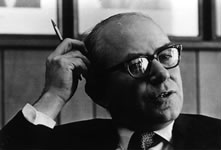
1975-1981: Irving Lowens
Irving Lowens’ research and writing in American music form a cornerstone for American music history. As the principal founder and guiding spirit of the Sonneck Society and its first president from 1974 to 1981, he was largely responsible for making the study of American music a respected and thriving area in musicology today. During his remarkable career he became distinguished in music criticism, musicology, and music librarianship. In his positions as music critic for the Washington Star (1953–1977), music reference librarian at the Library of Congress (1962–1966), and as Dean at the Peabody Conservatory of Music (1977–1982), he served in turn the public, the scholar, and the music student.
Raykamoo4, CC BY-SA 4.0 <https://creativecommons.org/licenses/by-sa/4.0>, via Wikimedia Commons
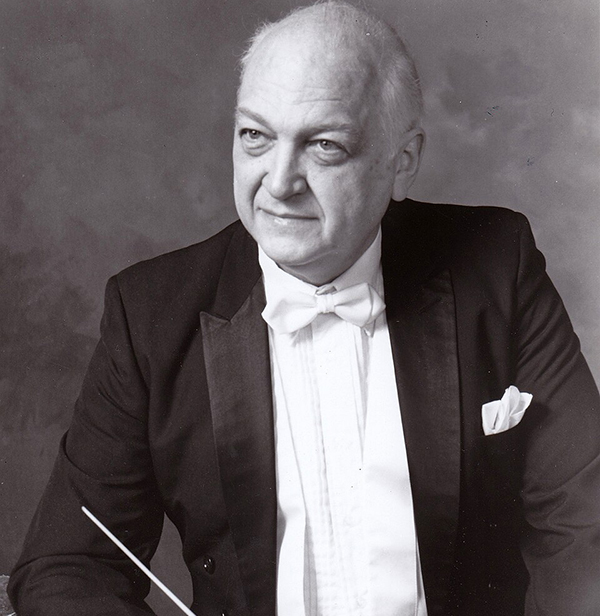
1981-1985: Raoul Camus
Raoul Camus is a scholar of American band music and professor emeritus of music at Queensborough Community College of the City University of New York. Camus has served the Society as both president and treasurer, and through his leadership on various committees, including Conference Site Selection and Honors and Awards.
Vpgildehaus, CC BY-SA 4.0 <https://creativecommons.org/licenses/by-sa/4.0>, via Wikimedia Commons
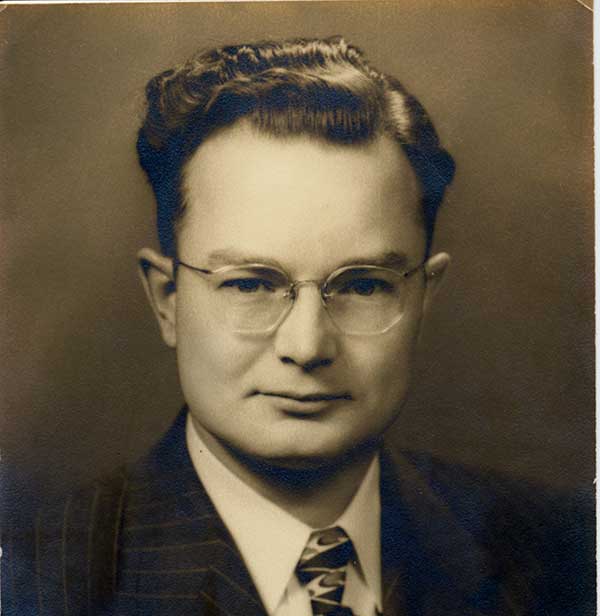
1985-1989: Allen Britton
Allen Perdue Britton received his PhD in musicology from the University of Michigan in 1949 and served as professor of music and then dean for 47 years. Britton was the founding editor of Journal of Research in Music Education and the founding editor of American Music.
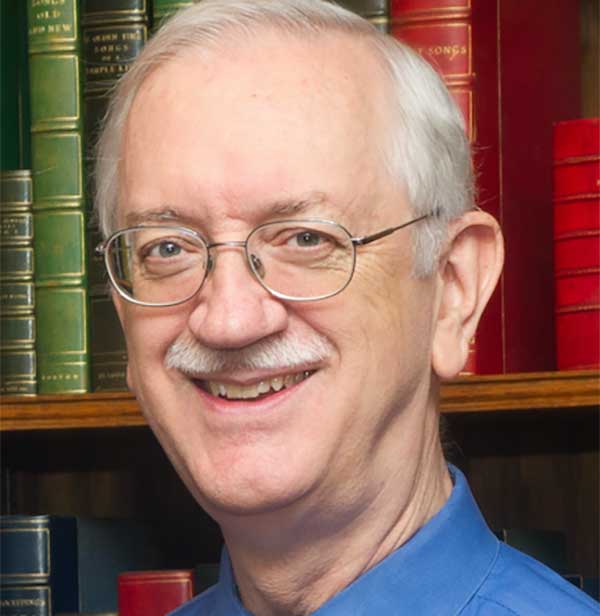
1989-1993: Deane Root
Deane L. Root was Curator of the Stephen Foster Memorial and administrator of Heinz Memorial Chapel at the University of Pittsburgh when he was elected president of the Sonneck Society. He had helped create the Society’s journal American Music, and edited or co-edited two of its special issues. As a staff editor for The New Grove in London in the 1970s, he had created its popular-music coverage. During his presidency (1989-93) the Society implemented its first strategic plan, changed its name to the Sonneck Society for American Music, created a handbook for the tasks of officers and committees, diversified the board, and adopted the rotation of president elect—president—past president. He served as the Society’s delegate to the American Council of Learned Societies. In 1995 he initiated the Society’s first major education project, Voices Across Time.
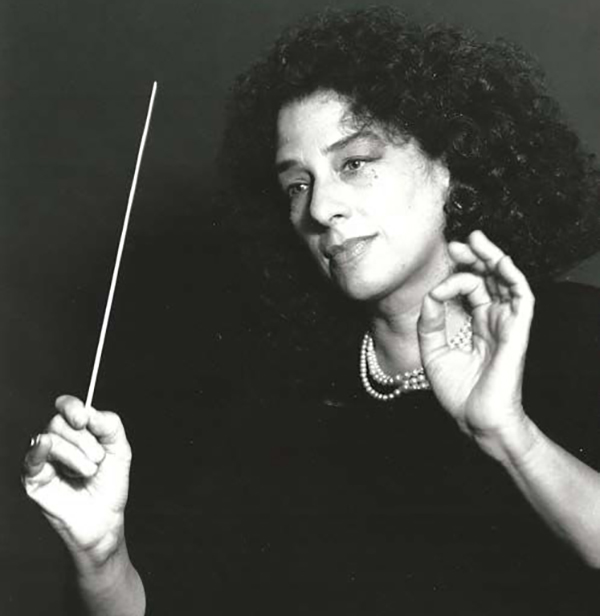
1993-1995: Gillian Anderson
Gillian Anderson is a conductor and musicologist who specializes in the relation between music and moving images. Her performances have been described as “triumphant” (The Washington Post), “extraordinary” (Edward Rothstein, The New York Times) and “an enormously involving experience” (Tom Di Nardo, Philadelphia Daily News). Her reconstruction and performance of Nosferatu (Murnau, 1921) with the Brandenburg Philharmonic (Potsdam) is available on BMG Classics. She has participated in the restoration and reconstruction of the original orchestral scores written to accompany thirty-four of the great silent films and has conducted them in synchronization with their projection at many important film festivals, universities, and performing arts centers with many symphony orchestras. She has premiered a number of the reconstructed versions of these works at festivals in America, Europe, and South America. Ms. Anderson has written four books (among them Music for Silent Films 1894-1929: A Guide) and numerous scholarly articles as well as edited a number of performing editions.

1995-1997: Dale Cockrell
Dale Cockrell is Professor of Musicology Emeritus at Vanderbilt University and a Research Associate of the University of the Free State (South Africa). He has also held appointments to Indiana University, the University of KwaZulu-Natal (South Africa), Dartmouth College, Middlebury College, The College of William and Mary (where he was the David N. and Margaret C. Bottoms Professor of Music), the University of Alabama, and Middle Tennessee State University (where he was Director of the Center for Popular Music). He is a former President of the Society for American Music, from which he received the Distinguished Service Award and the Lifetime Achievement Award, an elected Member of the American Antiquarian Society, and the founder and former President of Pa’s Fiddle Recordings, LLC. He is widely published in the field of American music studies, including Everybody’s Doin’ It: Sex, Music, and Dance in New York, 1840-1917; The Ingalls Wilder Family Songbook; Demons of Disorder: Early Blackface Minstrels and Their World, which won the C. Hugh Holman Award; Excelsior: Journals of the Hutchinson Family Singers, 1842-1846, recipient of the Irving Lowens Award; nine other books and editions; more than seventy scholarly articles; and produced four albums of music embedded in the Little House books. Cockrell has received three NEH Fellowships among other awards and grants, and takes special pride in The Margaret Cuninggim Mentoring Prize “for outstanding contributions to the professional and intellectual development of Vanderbilt women.” Dale lives now in the mountains of Vermont, where he allows for a silence that suggests a more just and natural world.

1997-1999: Anne Dhu McLucas
Anne Dhu McLucas was a brilliant polymath with wide-ranging interests in all things musical, a wonderful teacher, a gifted and supportive mentor, and a path-breaking scholar. She received her PhD from Harvard University and taught at Harvard, Boston College, Wellesley College, Colorado College, and the University of Oregon. She was the recipient of fellowships from Fulbright, the Smithsonian, and the National Endowment for the Humanities and the author of several books, including The Musical Ear: Oral Tradition in the USA.
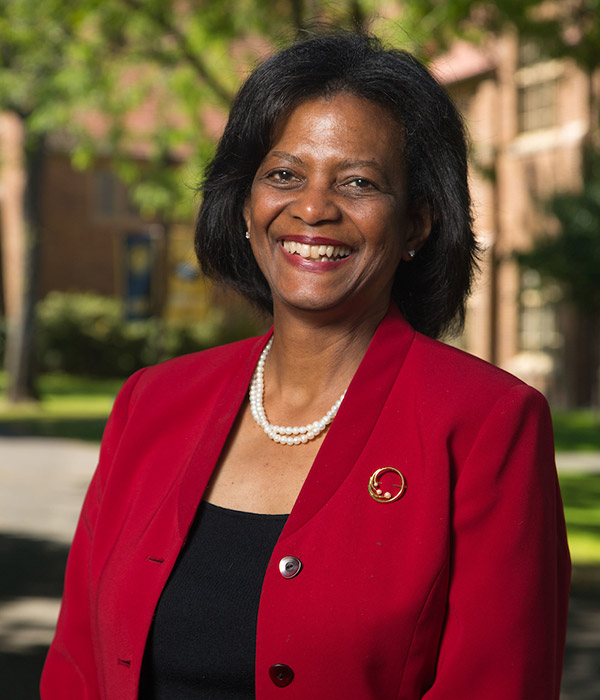
1999-2001: Rae Linda Brown
Rae Linda Brown (1957–2017) earned her PhD in musicology from Yale University in 1980 and became the leading authority on Florence Price. During her tenure at the University of California-Irvine, Brown served as professor and chair of the Department of Music and later as Faculty Assistant to the Executive Vice Chancellor and Provost. In 2008, Brown was appointed Vice President for Undergraduate Education at Loyola Marymount University, where she served for eight years. She subsequently became Provost of Pacific Lutheran University. Her book, The Heart of a Woman: The Life and Music of Florence B. Price, was published posthumously in 2020.
2001-2003: Paul F. Wells
Paul F. Wells served as the President of SAM from 2001-2003. He held the position of Director of the Center for Popular Music at Middle Tennessee State University from 1985 to 2010. Named Emeritus in 2011, Wells built the Center’s library and archive into one of the country’s finest popular music research collections.
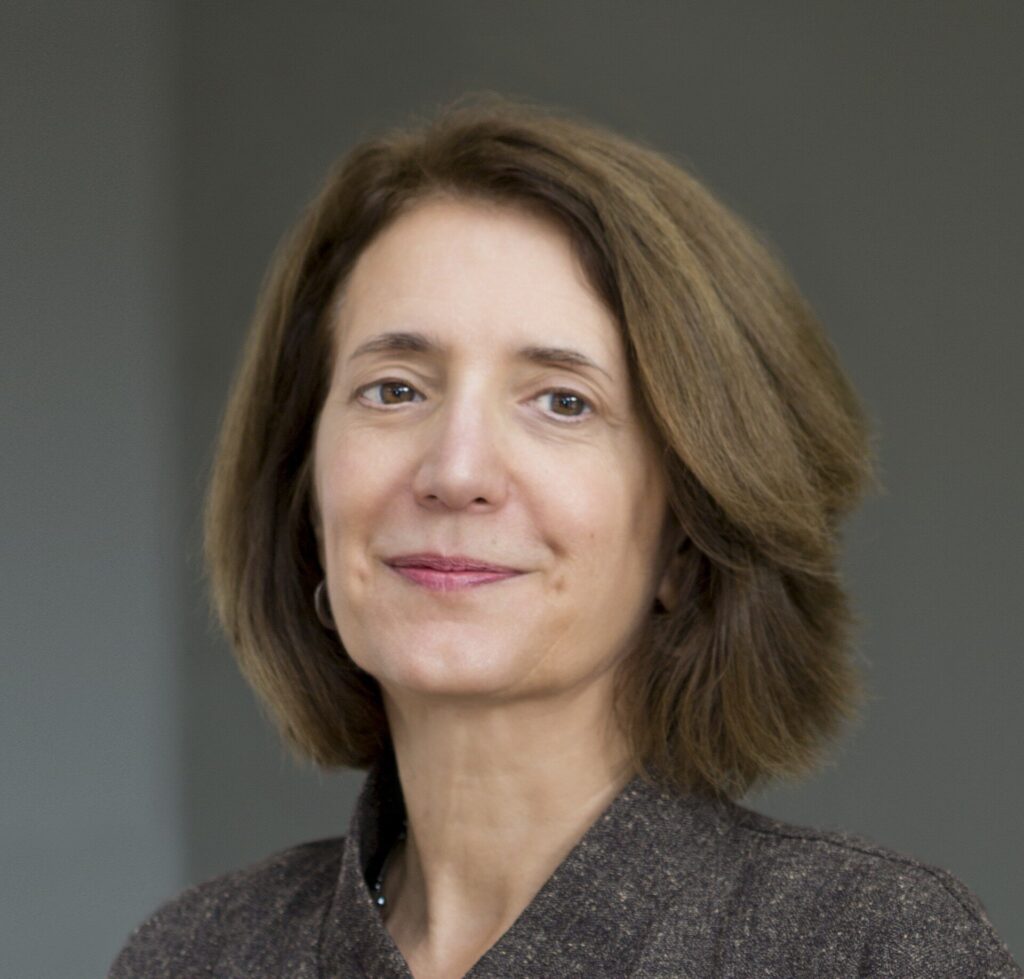
2003-2005: Carol J. Oja
Carol J. Oja is William Powell Mason Professor of Music and American Studies at Harvard University, a former Faculty Director of the Humanities Program at the Radcliffe Institute for Advanced Study, and a former Director of the Hitchcock Institute for Studies in American Music at Brooklyn College. She is an elected member of the American Academy of Arts and Sciences and the American Philosophical Society. She is a past-president of SAM (2003-05), and she has been honored repeatedly by the Society: Irving Lowens Book Award (2000) for Making Music Modern: New York in the 1920s (Oxford); Distinguished Service Award (2015); Irving Lowens Article Award (2021) for “Marian Anderson’s 1953 Concert Tour of Japan: A Transnational History” (with Katie Callam, Makiko Kimoto, and Misako Ohta, published in American Music); and the Lifetime Achievement Award (2022). Her Bernstein Meets Broadway: Collaborative Art in a Time of War (Oxford University Press, 2014) won the Music in American Culture Award from the American Musicological Society. Her most recent book is Sounding Together: Collaborative Perspectives on U.S. Music in the 21st Century, edited together with Charles Hiroshi Garrett (University of Michigan Press). Together with Katie Callam and Christina Linklater, she curated and researched Eileen Southern and The Music of Black Americans: A Digital Exhibit. She served as Leonard Bernstein Scholar-in-Residence with the New York Philharmonic, and she twice chaired the Pulitzer Prize committee in music. Her current book-in-progress is provisionally titled: Jim Crow in the Concert Halls of Washington, DC: Exploring the Racism that Provoked Marian Anderson’s 1939 Performance at the Lincoln Memorial.

2005-2007: Michael Broyles
Michael Broyles is Professor of Musicology at Florida State University, retired, and Distinguished Professor Music and Professor of American History-Emeritus, at Pennsylvania State University. His areas of specialization are American music and music of the Classic era, especially Beethoven. He has also published on the connection between music and photography.
Broyles most recent book, Revolutions in American Music: Three Decades that Changed the Country and its Sounds was published in 2024 (WW Norton) An earlier book written with Denise Von Glahn, Leo Ornstein: Modernist Dilemmas, Personal Choices (2007), won the Irving Lowens Award from the Society for American Music as the best book on American music for the year. Broyles is the author of five other books, and with Denise Von Glahn a critical edition of Leo Ornstein’s Quintette for Piano and Strings.
Broyles has published many articles, in journals such as Music in Art, Musical Quarterly, Nineteenth-Century Music, Music Review, Journal of Aesthetics and Art Criticism, Journal of the Society for American Music, Beethoven Journal, Revue belge de Musicologie, including four in the Journal of the American Musicological Society, the latter which shows he is a glutton for punishment. He has contributed chapters to several other books.
Broyles has an M.M. in music theory and a Ph.D. in musicology from the University of Texas at Austin, and he has received numerous awards, including two National Endowment for the Humanities fellowships. He is a Past-President of the Society for American Music,a nd was a music critic for the Baltimore Sun.
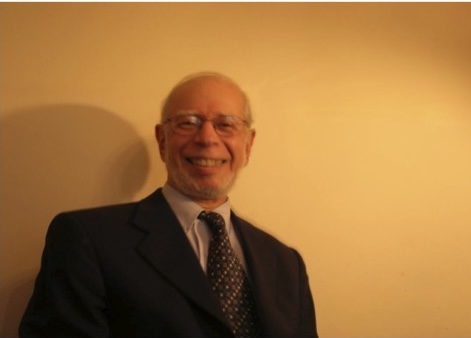
2007-2009: John Graziano
John Graziano joined The Sonneck Society/Society for American Music at its inception in 1976. With about one hundred other interested musicians, he also attended the 1974 Iron Gate luncheon in Washington, D.C. at which the idea of a new society dedicated to the study of American music was introduced by Irving Lowens and Allan Britton. His scholarly research is centered on mid-nineteenth-century musics in America, including minstrelsy, opera, and chamber music; musical theater from the 1860s through the 1930s; and Black musical theater at the turn of the twentieth century. Among his many publications, his article, “The Musical Journal of William Randolph Hearst” in MLA Notes 48 (December 1991), was awarded the 1993 Music Library Association’s Richard Hill Prize for best bibliographical article in 1991; and his article, “The Early Life and Career of the ‘Black Patti’: the Odyssey of an African-American Singer in the Late Nineteenth Century,” in Journal of the American Musicological Society 53, no. 3 (fall 2000), was awarded the Society for American Music’s Irving Lowens award for the best article on American music published in 2000. He is the Director of Music in Gotham, a free database that documents New York City performances with music from Fall 1862 through August 1875. He is Professor Emeritus of the Departments of Music at The City College and the Graduate Center, City University of New York.
2009-2011: Thomas Riis
Thomas L. Riis is Professor Emeritus of musicology at the University of Colorado Boulder, where he served as Director of the American Music Research Center from 1992–2018. His book, Just Before Jazz: Black Musical Theater in New York, 1890 to 1915, won an ASCAP-Deems Taylor Award. He is also the author of the book Frank Loesser. He lives in Oberlin, Ohio. (Bio from SUNY Press)

2011-2013: Katherine Preston
Katherine K. Preston is the Bottoms Professor of Music, Emerita, at William & Mary, where she taught for thirty years and served as Chair of the Department of Music for seven. Her academic degrees are from The Evergreen State College (Olympia, Washington; BA Liberal Arts, 1974), the University of Maryland (MM, 1981), and the Graduate Center, CUNY (Ph.D, 1989). SAM has been her scholarly home since 1979, when she attended her first conference (Sonneck Society, Baltimore); she has subsequently served on (and chaired) many committees, was on the Board of Trustees (1981-83), Secretary (1997-2002), and President (2011-13), during which time she organized SAM 2.0, the Society’s first capital campaign, which raised $1 million. An enthusiastic scholar of nineteenth-century American musical culture, she has published articles, chapters, and four monographs on that topic, including two prize-winning books on opera performance history in 19th-century America, a study of musicians’ work in Washington, D. C. (1877-1900), and a biography of George Frederick Bristow (1825-1898). She has also edited (or co-edited) four scholarly editions, including Bristow’s second and fourth symphonies. In 2022 she organized the Forging an American Musical Identity project, which promotes both knowledge of 19th century American musical culture and performance of music written in the US during that period; she continues as Chair of the FAMI Board. Preston’s scholarship has been recognized and supported by the Fulbright Program, NEH, National Humanities Center, American Antiquarian Society, Newberry Library, New York Public Library, Ransom Center (UT/Austin), New York Historical Society, and elsewhere. She also loves gardening, hiking, and traveling and has been an avid cyclist for her entire life.
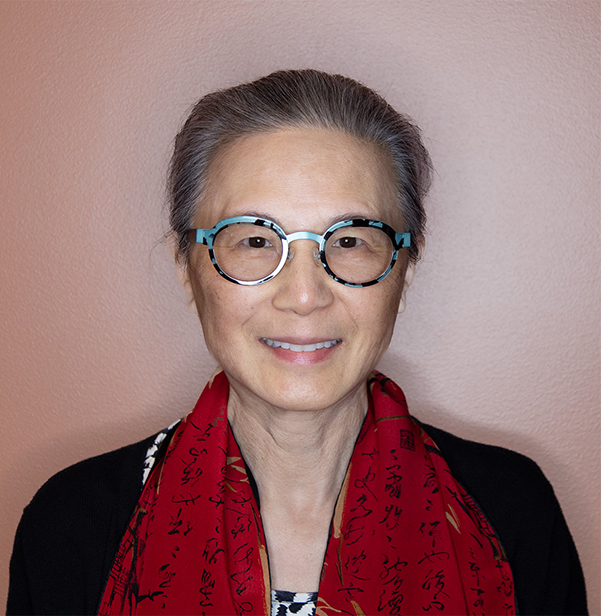
2013-2015: Judy Tsou
Judy Tsou is emeritus music librarian at the University of Washington. Before her retirement in 2017, she was head of the Music Library at UW and an affiliate faculty member at the School of Music. She was on the editorial team for Amerigrove (2013), for which she commissioned and edited more than 200 articles. She was on the editorial boards of JSAM (2008-2013), JAMS (2003-2008), and a founding editorial board member of Women and Music (1997-2008). She has published widely: on music archives, online sound recordings, and race and gender in music and opera. Her Cecilia Reclaimed (Illinois, 1994) won two awards: Koppelman Award (1996) and Outstanding Academic Book by CHOICE (1995). She has lectured in the US, Europe, Asia, and Australia. She has been active in both musicology and music librarianship organizations. She served as Vice President of the American Musicological Society (2018-2020), President of the Society for American Music (2013-15), and President of the International Association of Music Libraries, US Branch (2008-2011) where she led the merger of IAML-US and the Music Library Association. She won the MLA Papakhian Special Achievement Award twice, for the merger in 2012, and her diversity initiatives in 2018. Other honors include the Distinguished Service Award at SAM (2017) and a Lifetime Achievement Award at her alma mater, Skidmore College (2025). She was inducted as an Honorary Member at AMS for being “a force in fostering the development of American musics,” and for “outstanding contributions to the advancement of scholarship in music.”

2015-2017: Charles Hiroshi Garrett
Charles Hiroshi Garrett was a distinguished musicologist, educator, and mentor whose research transformed the study of American music. A graduate of the musicology program at the University of California, Los Angeles, Garrett joined the faculty of the University of Michigan in 2004. His teaching and scholarship focused on twentieth- and twenty-first-century American music, exploring questions of national identity, race, and popular culture. Garrett authored Struggling to Define a Nation: American Music and the Twentieth Century (2008), which received the Irving Lowens Memorial Book Award. He served as editor-in-chief for the second edition of The Grove Dictionary of American Music. Garrett advised numerous graduate students and was widely recognized for his commitment to mentorship, scholarly collaboration, and the advancement of American music studies.
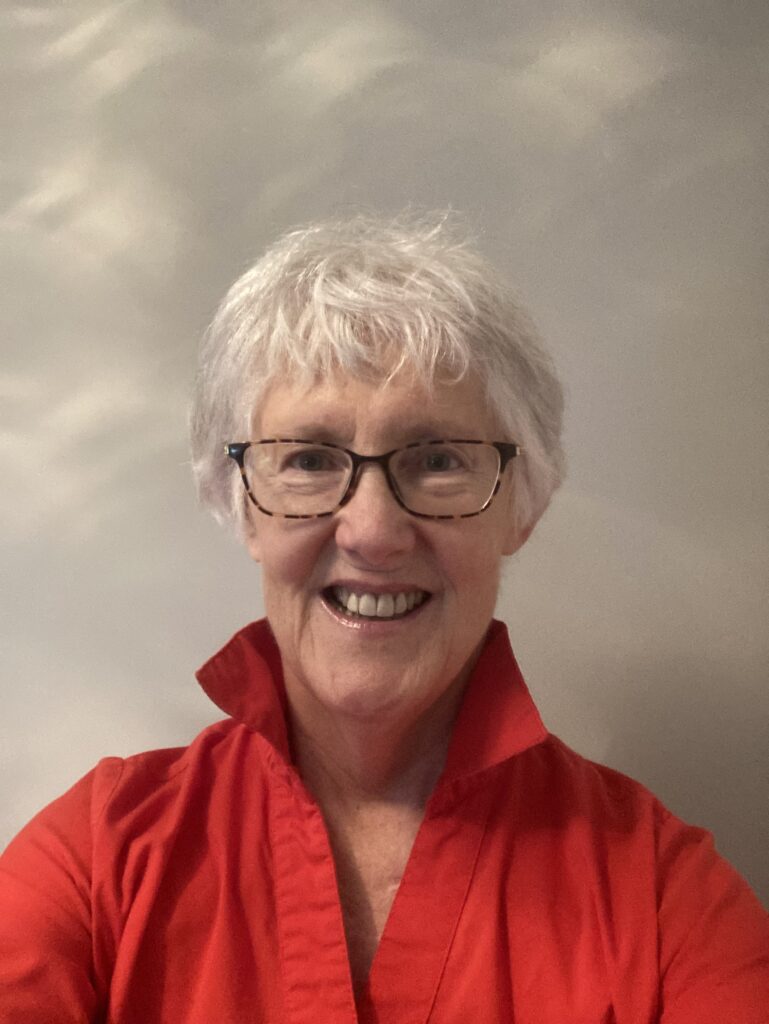
2017-2019: Sandra Graham
Sandra Jean Graham is Professor Emerita of Ethnomusicology at Babson College. A specialist in Black American music, she has published Spirituals and the Birth of a Black Entertainment Industry (University of Illinois Press, 2018), winner of the American Musicological Society’s 2019 Music in Culture award, and Spirituals: A Critical Edition 1861–1930 (A-R Editions, 2027), in addition to numerous journal articles and entries in Grove Dictionary of Music and Musicians. Her work on the pioneering Black minstrel Sam Lucas was highlighted in a 2019 documentary sponsored by the American Music Educational Project (https://www.youtube.com/watch?v=lEi1xGNY0Bw&t=89s). She taught humanities, global pop, and Black American music at University of California-Davis, where she started the graduate program in ethnomusicology, and Babson College, where she was the first full-time music faculty. She has held visiting appointments at University of Ljubljana, Slovenia, and the Music Academy of the University of Zagreb, Croatia. Highlights of her professional service include Council member and later Board member of the Society for Ethnomusicology, reviewer for the American Council of Learned Societies Fellowship Program, editorial board member of Journal of the Society for American Music, and almost every committee of SAM!
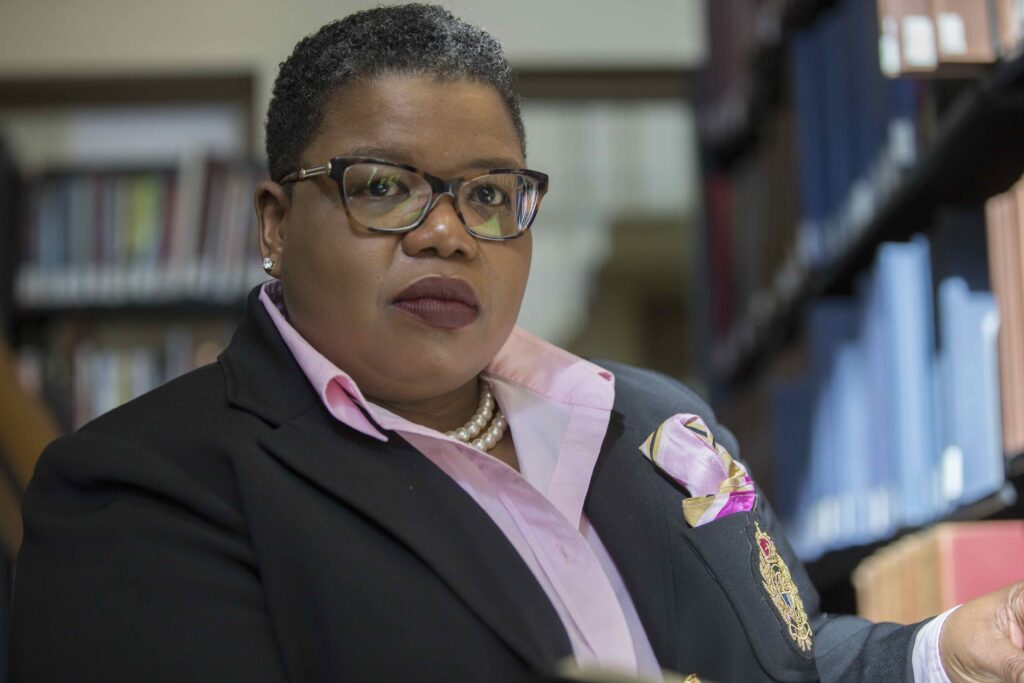
2019-2021: Tammy Kernodle
A native of Danville, Virginia, Tammy L. Kernodle is the University Distinguished Professor of Music and the inaugural Park Creative Arts Professor at Miami University in Oxford, OH. Kernodle received a B.M. in Choral Music Education with a concentration in piano from Virginia State University and a M.A. and PhD in Musicology from The Ohio State University. Kernodle is the Past President of the Society for American Music and Phi Beta Kappa’s 2024-2025 John Updike Memorial Scholar. Kernodle is the author of biography Soul on Soul: The Life and Music of Mary Lou Williams, served as Associate Editor of the three-volume Encyclopedia of African American Music. She was also one of the Editors for the revision of the New Grove Encyclopedia of American Music and currently serves the Advisory Board of Grove Music Online, the world’s premier online music encyclopedia, offering comprehensive coverage of music, musicians, music-making, and music scholarship. She was a contributor to The African American Lectionary Project, the Smithsonian Anthology of Hip Hop and Rap, the Smithsonian Anthology of Jazz, and the Carnegie Hall Digital Timeline of African American Music. Her scholarship also appears in numerous anthologies and reference works including Women’s Voices Across Musical Worlds, John Coltrane and Black America’s Quest for Freedom: Spirituality and the Music, The Cambridge Companion to Women in Music Since 1900 and Hidden Harmonies: Women and Music in Popular Entertainment, and Music in Black American Life, 1945-2020 (from Dr. Kernodle’s website).

2021-2023: Daniel Goldmark
Daniel Goldmark is Professor of Music and Director of the Center for Popular Music Studies at Case Western Reserve University. He works on American popular music, film and cartoon music, and the history of the music industry. He is the author or editor of numerous books, including The Grove Music Guide to Film Music (Oxford, 2019), Beyond the Soundtrack: Representing Music in Cinema (California, 2007), and Tunes for ‘Toons: Music and the Hollywood Cartoon (California, 2005). He has been editor of the Oxford Music/Media book series since 2007. Goldmark spent several years working in the animation and music industries. For five years he was research editor at Rhino Entertainment in Los Angeles, where he also produced or co-produced several collections and anthologies, including a two-CD set of the music of Tom & Jerry composer Scott Bradley, and a two-disc anthology entitled Courage: The Complete Atlantic Recordings of Rufus Harley, the world’s most famous jazz bagpiper. Goldmark was also an archivist and music coordinator at Spümcø Animation in Hollywood. For SAM, Goldmark’s first assignment was as a member of the Conference Site Selection Committee under Kay Norton. Some other roles include serving on the Program Committee (twice), the Nominating Committee, the Irving Lowens Book Award Committee, the Charles H. Garrett Fellowship Committee, as a Member at Large of the Board of Trustees (2009-12), and as President from 2021-2023.
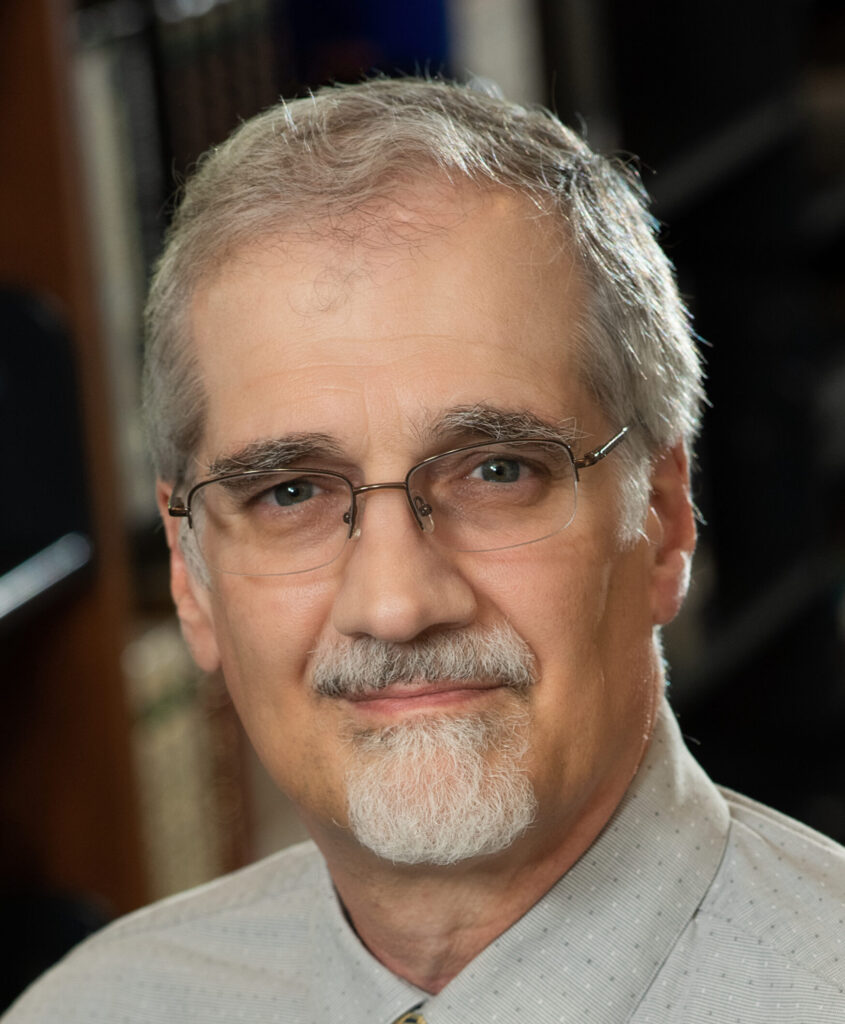
2023-2025: Douglas Bomberger
E. Douglas Bomberger is a professor emeritus at Elizabethtown College, where he taught music history and piano and served as department chair. Prior appointments were at the University of Hawai‘i at Mānoa, Ithaca College, and Goshen College. His research on nineteenth-century American topics has yielded books on the American Composers’ Concert Movement, Edward MacDowell, Amy Beach, and the cultural transformations of 1917. Edward MacDowell (Oxford, 2013) was awarded a Daverio subvention by the AMS. His most recent book, The Cambridge Companion to Amy Beach (2023), was the subject of an AMS/Library of Congress lecture in 2026. He was the recipient of Elizabethtown College’s Ranck Prize for Research Excellence in 2018–2019. He holds the Ph.D. in historical musicology from the University of Maryland, the M.M. in piano performance from the University of North Carolina, and the B.A. in music and French from Goshen College. Dr. Bomberger has been an active member of the Society for American Music, which he served as treasurer from 2009 to 2013, local arrangements chair for the fortieth annual conference in Lancaster in 2014, and president from 2023 to 2025. During his term, he presided over the fiftieth annual conference in Detroit, with honorary member George Shirley; and the fifty-first in Tacoma, with honorary members William Bolcom and Donald Reid Womack. He initiated a strategic plan in collaboration with VP Beth Levy, and he instituted a reorganization of SAM’s fellowship and award committee structure.
Creative Commons information for photos and other credits.