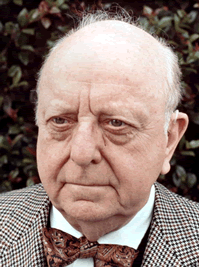
Description
The Virgil Thomson Fellowship is awarded competitively to scholars at any phase of their careers whose research interest is focused on the history, creation, and analysis of American music on stage and screen, including opera. The Fellowship may support research expenses, including but not limited to travel expenses, books, and media resources. The maximum award is $4,000. The Society for American Music seeks to award fellowships to support a broad spectrum of research conducted by society members. Projects that have already received SAM fellowship support are not eligible to receive the Thomson Fellowship. A one-page budget and final report are to be submitted by the recipient to the Executive Director of the Society no more than one year after the award is presented.
Eligibility
To be eligible, an applicant must be a member in good standing of the Society.
Application Requirements
In addition to the application form, the applicant must supply the following materials:
- A general description of the project, not to exceed 500 words. This should describe the relationship of the research to your scholarship, the intellectual rationale, significance to the field of American music, and expected outcome.
- A plan of work, not to exceed 500 words. This should describe the various components of the research to be undertaken with fellowship funds and a timetable.
- A detailed budget for all expenses requested.
Deadline
October 15
Past Fellows
| Year | Winners |
|---|---|
| 2026 | Elizabeth Craft, Hundreds of Stories: A Cultural History of In the Heights Seokyoung Kim, "Opera, Interculturality, and Asian American Voices in Huang Ruo's M. Butterfly" |
| 2025 | Aryn Kelly, "Lindy Hop as a Contested Site of Memory and Signification" Elizabeth Wollman, "The F Word: Broadway Musical Flops in Transition at the Millennium" |
| 2024 | Kristen Turner, "Charles Dillingham and the Beginnings of Broadway" Joan Titus, "Sounding Red: Musical Imaginings of Russia in U.S. Cinema" |
| 2023 | Lucy Caplan, “High Culture on the Lower Frequencies: African Americans and Opera in the Early Twentieth Century” Kendra Preston Leonard, “Analyzing Rosa Rio’s Accompaniments for Silent Film” |
| 2022 | Naomi Graber “Sound and Shadow: Hidden Horrors at RKO” James O’Leary “‘Do You Ever Wonder Whether You’re Real?’: Stephen Sondheim, Arthur Laurents, and the Politics of Midcentury Megatheater” |
| 2021 | Jingyi Zhang, “Opera of the Future, the Future of Opera: Site-Specific American Indie Opera” |
| 2020 | Elissa Harbert, “Singing the Past on Broadway: History Musicals and Cultural Memory” Ashley Pribyl, “Fifty Years of Company: Exploring Shifts in Marriage, Gender, and Sexuality Through an American Music, 1969-2019” |
| 2019 | Ryan Ebright: “Making American Opera after Einstein” Jake Johnson: “Re-Placing Broadway: Musical Theatre Everywhere” |
| 2018 | Monica Hershberger, “Life Is Strife”: Women in and of American Opera during the Cold War Rhae Lynn Barnes, Darkology: When the American Dream Wore Blackface |
| 2017 | James Leve, “Sights, Sounds, and Silences: Disability in Musical Theater” Danielle Ward-Griffin, “Exporting Menotti: Maria Golovin at the Brussels World’s Fair” |
| 2016 | Elizabeth Titrington Craft, Yankee Doodle Dandy: George M. Cohan and the Making of American Identity Marianne Betz, Musikgeschichte der USA |
| 2015 | Sally Bick, The Musical Politics of Hollywood Modernism James Steichen, Balanchine and the Making of American Modernism, 1933-41 |
| 2014 | Alice Miller Cotter, John Adams’s Political Operas |